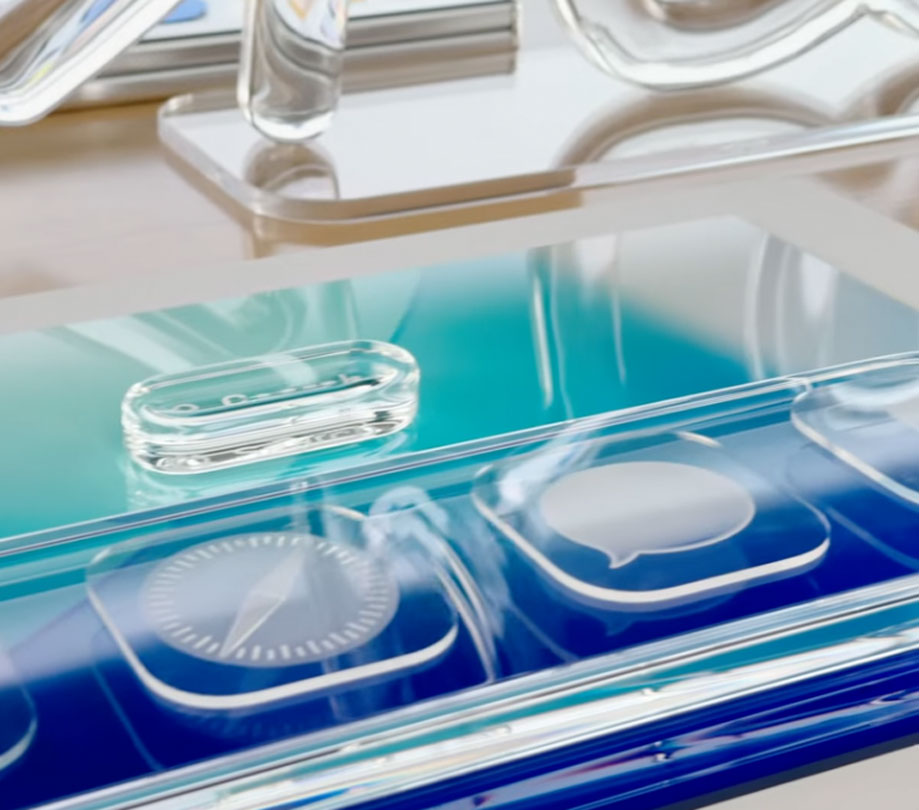
Apple’s WWDC 2025 keynote was a spectacle of contrasts. On one hand, it dazzled builders with a Liquid Glass design aesthetic and a boatload of polished options throughout iOS, macOS, iPadOS, watchOS, and extra. They even threw in some whimsical aptitude, from cheeky Formulation 1 references to a piano man crooning App Retailer opinions on stage. It felt like Apple was serenading us with how shiny and seamless their ecosystem is about to change into.
Apple’s WWDC 2025, a shiny new coat with little ai beneath the hood
But, as I sat there each amused and in awe, a nagging absence turned clearer with every passing minute. The elephant within the room, or reasonably, the AI not within the room, forged a protracted shadow over the occasion. For all of the discuss of Apple Intelligence and new capabilities, Siri, Apple’s once-vaunted digital assistant, was nearly silent. Apple’s execs touted how the following decade of Apple software program will appear and feel, however stated valuable little about the way it will suppose. As a developer and long-time Apple watcher, I couldn’t shake a rising sense of disappointment. On this golden age of generative AI, it appeared Apple confirmed as much as a software program renaissance with an suave new canvas however left its brightest paints at dwelling.
A keynote of glass, gloss, and the invisible elephant
Earlier than we dive into that evident AI omission and why it issues, let’s run by what was introduced, as a result of there was a lot. Apple hasn’t been idle, they’ve given us a slew of updates that may positively make customers glad and builders busy. From iPhones to Macs to Apple Watches, virtually each Apple gadget is getting some love. However as we’ll see, amidst all these welcome enhancements, the silence on true AI developments was deafening.
A unified “liquid glass” design throughout Apple’s platforms
The very first thing Apple drove dwelling was a significant design refresh sweeping throughout iOS, iPadOS, macOS, and even watchOS and tvOS. They’re calling it the Liquid Glass theme, and it’s not simply advertising and marketing poetry, it actually makes your interface components seem like shiny panes of glass. Buttons, switches, sliders, textual content fields, all are infused with a brand new translucency that lets background colours and wallpapers bleed by. On the iPhone’s lock display screen, for instance, even the date and notification banners now subtly blur and reveal the wallpaper beneath. It’s as if the entire UI gained a splash of transparency, each figuratively and actually.
Apple’s designers appear to have drawn inspiration from the pure world right here, think about frosted glass misted with rain, or the way in which gentle refracts by a prism. The impact is each futuristic and nostalgic. Lengthy-time Apple followers may recall the unique OS X “Aqua” interface from twenty years in the past, with its water bubble buttons and translucent menus. Liquid Glass feels just like the non secular successor to Aqua for the 2020s, an interface that’s tangible, tactile, and playfully reflective. In follow, it means while you toggle a swap or open a menu, you get a way of depth, of the interface layering over your content material like a cultured sheet of glass. It’s eye sweet, positive, but in addition a part of a broader push towards consistency.
For the primary time in years, Apple’s making its platforms look and behave extra alike. The Liquid Glass look spans iPhones, iPads, Macs, Apple TV, Apple Watch, and even the Imaginative and prescient Professional headset. It alerts that Apple desires a cohesive expertise whether or not you’re glancing at your wrist or immersed in a spatial computing surroundings. As a developer, I discover this encouraging, it means fewer radically totally different UI paradigms to account for. The design language is converging. Apple is principally telling us, be taught this new appear and feel, and you’ll apply it all over the place. That’s excellent news for usability and for these of us who construct apps throughout a number of Apple units.
The Liquid Glass theme is not only skin-deep both. It comes with new system typography and iconography tweaks to match. All the things seems a bit extra minimal, clear, and content-first. Apple demoed how even one thing just like the iPhone’s digicam app or Safari browser adopts this edge-to-edge, ethereal design. Safari’s toolbar, as an example, now melts away so net pages can make the most of the total display screen. The Digicam app was simplified to simply two major modes (Photograph and Video) seen, with others like Portrait or Gradual-Mo tucked neatly behind a swipe gesture. It’s a decluttering that places content material at heart stage, perhaps an affect from that Imaginative and prescient Professional ethos of “surroundings first” design seeping again into 2D screens.
From a story perspective, Apple framed this design overhaul as “setting the stage for the following decade” of software program. Certainly, it looks like a once-in-a-decade refresh, the sort that in hindsight marks an period. As an fanatic, I discovered myself genuinely excited by the brand new polish, it’s enjoyable to see Apple flex its design muscle tissue. Within the halls of WWDC, an Ozarks-accented voice in my head (maybe channeling Richard Harris of App Developer Journal) was virtually hollering, “Nicely butter my biscuits, they’ve gone and repainted the entire darn home!” It’s a sensible change, however introduced with Apple’s trademark showmanship and a contact of science fiction aptitude.
What’s in a reputation, year-based model numbers
One delicate however essential shift that got here together with the redesign is a change in model numbering. Apple’s working methods at the moment are named by 12 months. So say goodbye to the anticipated iOS 19 or macOS 16, this 12 months we have now iOS 26, iPadOS 26, macOS 26, watchOS 26, tvOS 26, and even visionOS 26. It’s an enormous renumbering meant to align with the 12 months after launch (since these OS variations will largely be in use throughout 2026). At first this threw me for a loop, however Apple insists it’ll make issues simpler to recollect than the jumble of various model numbers we had earlier than.
Sensible builders may chuckle on the change, we’ve seen Apple do odd naming resets earlier than (bear in mind when Mac OS jumped from 10.8 to 10.9 to… macOS 11?). However aligning all the things to the 12 months does have a tidy logic. It underscores that every one these methods are friends in the identical household. And it subtly emphasizes that Apple views this WWDC’s bulletins as a unified era of software program. iOS 26, macOS Tahoe 26, iPadOS 26, all siblings born of 2025’s imaginative and prescient.
Talking of macOS Tahoe, sure, Apple continues to be on its California landmark naming kick. After final 12 months’s macOS “Sequoia” (15), we get macOS 26 Tahoe, presumably named after the crystal-clear Lake Tahoe, which cheekily echoes the clear “glass” UI motif. It’s poetic in a means, a lake’s floor reflecting the sky, and now our screens reflecting our content material. Apple’s love for metaphor in naming and design stays sturdy.
Alright, naming apart, let’s discuss concerning the goodies in every of those updates. Buckle up, as a result of Apple unloaded a Santa-sized sack of options. I’ll cowl the highlights for iOS, iPadOS, macOS, watchOS, and extra, then circle again to the elephant (or AI) that wasn’t on stage.
iOS 26, new tips for the iPhone
Apple’s newest iPhone working system, iOS 26, is completely filled with options, some model new, others taking part in meet up with the Android Joneses. Right here’s a fast rundown of probably the most notable iOS 26 modifications that Apple introduced:
Liquid Glass redesign
At first, iOS 26 totally embraces that new Liquid Glass look. Your Management Heart, widgets, notifications, and even on-screen media participant all sport translucent components that mix into no matter wallpaper or app is behind them. It’s a dramatic visible change that makes the interface really feel alive and context conscious. Through the keynote demo, because the presenter swiped by a photograph heavy dwelling display screen, you can see colours from the photographs subtly tinting the encompassing UI chrome. It drew appreciative “oohs” from the group, and admittedly, from me too.
Stay translation in Messages, Calls, and FaceTime
This one is a killer characteristic and bought one of many loudest applauses. Apple constructed AI powered dwell translation proper into the core communication apps. Within the Messages app, now you can have overseas language texts mechanically translated in line, the demo confirmed an English person seamlessly chatting with a good friend typing in Italian, every seeing the dialog in their very own language. In telephone calls, iOS 26 can take heed to the opposite particular person talking Spanish (for instance) and skim out an English translation to you in actual time, whereas your responses get translated again to Spanish for them. FaceTime video calls will even show dwell translated captions on the display screen as every particular person speaks. It’s like having a private interpreter on demand, no third get together apps or providers required.
Apple pulled this off with on-device machine studying, leveraging the Neural Engine within the A-series chips. From a developer perspective, this can be a large testomony to Apple’s {hardware}, software program integration, actual time speech translation is AI heavy lifting, and doing it privately on-device (no spherical journey to the cloud) is spectacular. It jogs my memory of the wide-eyed optimism of a science fiction geek (cue my interior Dr. Ellie Arroway), we’re successfully tearing down language obstacles in informal dialog, fulfilling a long-held tech dream. Google’s been doing comparable tips with Google Translate and Pixel telephones for some time, however seeing Apple bake it into iOS’s native apps continues to be jaw-dropping. This was one space the place Apple did showcase AI serving to customers, and it was lovely to observe in motion.
Revamped Cellphone app with AI name screening and maintain help
Who would have thought the common-or-garden Cellphone app might be thrilling? In iOS 26, Apple gave it a big overhaul. The interface now consolidates your favorites, latest calls, and voicemail into one unified view for simpler navigation. However the true star is beneath the hood, the Cellphone app now incorporates name screening and maintain help options, leaning on Apple’s voice intelligence. If an unknown quantity calls, you possibly can have Siri (or reasonably, Apple’s automated system) reply and ask the caller to state their goal, transcribing their response for you in actual time, identical to Google’s Name Display screen on Pixel units. It’s a characteristic many iPhone customers have envied, now lastly right here. Likewise, when you’re caught on maintain with customer support, iOS 26 can take over the decision and wait on maintain for you, then warn you when a human comes on the road. This “maintain help” is straight out of Google’s playbook (Pixel’s Maintain for Me), and I chuckled when Apple introduced it as if it had been model new. Nonetheless, as a sensible device it’s immensely helpful, and I’m glad to see Apple catching up on this entrance. Higher late than by no means, as Mark Twain may quip. No extra listening to countless maintain music, our iPhones will gladly try this drudgery whereas we seize a espresso.
Visible intelligence, on-device AI imaginative and prescient
iOS 26 provides what Apple calls Visible Intelligence options that may “search on-screen content material” and assist you work together with what you see. In easier phrases, your iPhone features a sort of contextual visible search akin to Google Lens or Samsung’s Bixby Imaginative and prescient. By long-pressing or utilizing a brand new shortcut (urgent the aspect button combo you’d use for a screenshot), you possibly can summon an AI assistant for no matter is in your display screen. Apple confirmed that you can, say, have a photograph or a paused video body in your show after which ask, “What sort of hen is that this?” or “Discover this product on-line.” In response, iOS can faucet into both native machine studying or exterior providers to determine objects and even allow you to carry out actions like looking for comparable gadgets. One demo even indicated you can ask follow-up questions on what you’re seeing and select to both question ChatGPT or do an internet search for more information. The actual fact Apple explicitly permits leaping to ChatGPT right here raised my eyebrows, it’s an acknowledgment that OpenAI’s imaginative and prescient and language mannequin may increase what Apple’s personal algorithms can do. Basically, Apple constructed a bridge the place you possibly can seamlessly hand off a process to ChatGPT when you want deeper evaluation of your display screen’s content material. That’s each stunning (Apple often doesn’t highlight third get together manufacturers in keynotes) and telling (we’ll discuss extra about Apple leaning on OpenAI’s tech later).
Messages app upgrades
Apple gave Messages some social-savvy enhancements. There at the moment are built-in message polls for fast group selections (no extra counting on sketchy third get together polling apps simply to determine dinner plans). You may also apply customized chat backgrounds to particular conversations, including character to your iMessage threads. We even noticed new dwell sticker results and the flexibility to transcribe audio messages on the fly. All good quality-of-life enhancements that maintain Apple’s messaging platform aggressive with WhatsApp, Telegram, and the remainder. Nothing revolutionary, however builders of messaging extensions can have new APIs to play with right here.
All-new “Video games” hub
In iOS 26, Apple is merging a number of gaming associated apps and providers into one place. Sport Heart, your owned video games library, and Apple Arcade at the moment are unified in a brand new “Video games” app. It’s like an Apple flavored Steam Library for cell. From this hub you possibly can see all of the video games you’ve gotten put in, browse Arcade titles, test leaderboards, and many others., with out bouncing between the App Retailer, Arcade app, and Sport Heart as earlier than. They’ve even designed it to work cross platform, as a result of the Video games app is coming to macOS 26 as effectively. As a gamer and developer, I respect this consolidation, it treats video games as firstclass residents within the content material ecosystem. And when you construct video games, having a devoted hub may enhance visibility to your app. Apple’s additionally bringing the iPhone’s Stay Actions (these actual time interactive notifications) to the Mac by way of this, which is an attention-grabbing crossover.
Adaptive energy and battery well being
All the time attuned to battery life issues, Apple added a brand new Adaptive Energy mode in iOS 26. Consider it like a wiser Low Energy Mode. As a substitute of bluntly reducing efficiency, Adaptive Energy will dynamically reduce background exercise and even tweak processor efficiency simply sufficient to increase battery life while you’re operating low, whereas attempting to keep up clean operation. Apple claims you may squeeze out hours extra use with out the telephone feeling sluggish. We’ll have to check these claims, however any dev who’s handled person battery complaints will welcome this. Additionally nifty, iOS 26 will now let you know how lengthy it is going to take your battery to totally cost when you plug in. No extra guessing or doing psychological math with cost percentages, the lock display screen will plainly say “Battery might be full in 20 minutes,” for instance. A small contact, however a really user-friendly one.
Odds and ends
The record really goes on, new accessibility options like customized Background Sounds (iOS now has an expanded catalog of soothing sounds to play for focus or sleep), enhancements to Pockets like higher boarding go integration in Apple Pockets, Maps for journey, an Emoji suggestions characteristic hidden in Apple Information+ (a unusual trivia, they constructed a bit emoji response sport for Information subscribers), and enhancements throughout core apps like Notes and Reminders (suppose good to-do record grouping, enhanced notice linking, and many others.). It’s a kind of releases the place the “little issues” record fills a complete slide, and Apple did certainly flash a large slide of dozens of bullet factors towards the tip of the iOS phase, saying “…and so many extra small modifications.” As builders, we all know these can typically have huge affect on person expertise. It’ll take weeks to find and respect all of them.
In sum
iOS 26 is a hefty replace. It’s equal elements visible overhaul and have catch up. Apple clearly prioritized eliminating some ache factors (spam calls, translating chats) and including polish (new design, smoother multitasking, battery insights). There’s a midwestern practicality in these modifications, I can virtually hear the Moonbeam Growth group from Missouri nodding in approval on the telephone and battery tweaks, whereas the ScopeTrader people respect the interface consistency for his or her finance apps. My interior Mark Twain additionally suggestions his hat on the plain commonsense of some options, “Why shouldn’t my telephone inform me how lengthy to cost? Appears downright apparent now.”
And but, amidst this bounty of enhancements, one thing was nonetheless nagging at me, and lots of fellow devs I spoke with throughout the digital hallway chats at WWDC, The place are the groundbreaking AI options? Positive, dwell translation is AI powered and really cool, and the Visible Intelligence options flirt with AI. However these felt like contained use-cases, helpful, sure, however narrowly centered. Apple’s flagship intelligence, Siri, was virtually a footnote. We’ll dig into that quickly, however first, let’s see what Apple had in retailer for the iPad and Mac, as a result of there have been some huge modifications there as effectively.
iPadOS 26, the iPad learns to Mac
“Is the iPad extra Mac, or extra iPhone?” a narrator requested throughout Apple’s presentation. “This 12 months, the reply is Mac.” That line resonated as a result of it rang so true. With iPadOS 26, Apple is lastly unleashing the iPad’s interior Mac, giving pill customers the sort of multitasking and interface energy we’ve craved for years. As a developer who typically tried to make “desktop class” iPad apps, I discovered myself grinning ear to ear throughout this a part of the keynote. Apple is successfully eradicating some long-standing obstacles between iPad and Mac.
New windowing system for multitasking
The flagship characteristic in iPadOS 26 is a model new windowing system for multitasking. Sure, you learn that proper, actual, fluidly resizable app home windows on an iPad, that you could drag and prepare freely, overlapping if you’d like. Not are we caught with the inflexible Cut up View or Slide Over in mounted proportions. You possibly can deal with an iPad virtually like a touchscreen Mac, open a number of apps, resize them like home windows on a desktop, and even use them throughout exterior shows with full flexibility. In Apple’s phrases, you possibly can place home windows “wherever you need on the display screen,” and even Stage Supervisor (the window grouping characteristic launched in iPadOS 16) has advanced to accommodate this freer type windowing. It’s a dramatic leap in the direction of making the iPad a real laptop computer substitute.
Desktop fashion menu bar
To enhance the windowing, iPadOS 26 introduces a desktop fashion menu bar that seems on the high of the display screen (considerably hidden till you want it). By swiping down from the highest, you reveal a macOS like menu bar with numerous controls and choices for the present app. This implies professional apps on iPad can now have menu choices identical to on Mac, accessible in a standard location. It’s a small UI aspect with huge implications, it acknowledges that iPad apps typically want the depth of menus and settings that full pc apps have. Apple is signaling that the iPad ought to not be constrained to extremely simplified cell fashion interfaces when it’s being utilized in a workstation context.
Extra Mac like apps and options
We additionally heard that many Mac like apps and options are coming to iPad:
- A brand new, correct Recordsdata app redesign that lastly behaves extra like Finder on Mac. Organizing recordsdata on iPad ought to really feel much less like an afterthought and extra like an actual file supervisor now. They even added help for issues like column view and improved exterior drive help.
- A Preview app on iPad for viewing and enhancing PDFs and paperwork. Mac customers know Preview as a helpful device for fast edits, annotations, and conversions. Bringing that to iPad means much less have to hunt for third get together PDF apps or hacks to signal a doc on the go.
- The iPhone’s Cellphone app is definitely coming to iPad (and Mac) as a local app. When you have an iPhone, you’ve lengthy been in a position to take calls in your iPad or Mac by way of Continuity, however it was clunky with no devoted interface. Now the iPad can have a Cellphone app with options like voicemail, name screening, and the brand new maintain help, successfully making mobile iPads or iPads paired to an iPhone act like full speakerphones. It’s one other means the strains between units are blurring.
- Extra Apple Intelligence options on iPad, which probably refers back to the identical visible search and translation options from iOS now working in iPadOS. The neural engines in M sequence iPad chips might be flexing these AI muscle tissue.
Developer impacts and platform convergence
All informed, iPadOS 26 makes the iPad much more “Mac like” than ever earlier than. David Pierce at The Verge put it succinctly, “This 12 months, the iPad is clearly leaning into its Mac aspect.” Certainly, some people have joked that fairly quickly the iPad and Mac may simply merge into one platform. We’re not there but, however the convergence is accelerating. From a developer standpoint, that is each thrilling and difficult. Thrilling as a result of our iPad apps can change into extra highly effective and have wealthy with out feeling misplaced. Difficult as a result of customers will count on the identical flexibility and energy on iPad as on a Mac, which implies we have now to design our iPad apps’ UI, UX with window resizability, a number of situations, and extra advanced interactions in thoughts. Apple is handing us new instruments (like most likely new UIScene session APIs for window administration) to do that, however will probably be an adjustment when you’ve handled iPad as “only a blown up iPhone app” earlier than.
Ultimate ideas
I couldn’t assist however consider an analogy as I processed these modifications, The iPad has all the time been like a youngster caught between identities, attempting to hold with the Mac adults in productiveness, whereas nonetheless clinging to the iPhone’s simplicity. With iPadOS 26, that teenager simply bought the keys to the automotive and a license to roam. It’s maturing, leaning right into a extra grown up function. And like a proud (if barely nervous) dad or mum, Apple is watching it take off. As a developer, I’m proper there within the passenger seat, desirous to see how far we are able to go now that the coaching wheels of overly simplistic UI have come off.
macOS 26 “Tahoe”, Macs Get Glassy and Gamey
On the Mac aspect, macOS Tahoe 26 introduced its personal set of considerable updates, some anticipated, some pleasantly stunning. Apple won’t promote as many Macs as iPhones, however boy did they provide Mac lovers lots to chew on this 12 months.
Liquid Glass design overhaul
First up, macOS Tahoe is the Mac’s counterpart to the design revolution we noticed on iOS. It adopts the Liquid Glass design wholesale, making window backgrounds, sidebars, and toolbars extra translucent and adaptive to your wallpaper and window stacking order. App icons and controls are up to date for consistency with iOS. Utilizing a Mac operating Tahoe, you’ll discover the aesthetics instantly, it looks like your Mac’s visuals simply bought a contemporary coat of Sweet Apple gloss. (Maybe Tahoe was a touch, the lake’s famously clear waters now mirrored within the OS’s clear panels.)
Supercharged highlight search
Craig Federighi declared this the largest replace to Highlight ever, and it exhibits. Now, Highlight isn’t only for discovering recordsdata or net outcomes, it’s turning into a command heart. You possibly can carry out fast actions straight from Highlight, ship an e mail, create a notice, toggle a setting, all with out opening an app. Within the demo, typing one thing like “Set timer for 20 minutes” in Highlight truly set a timer. Or typing a contact title confirmed a shortcut to name them. It blurs the road between launching apps and doing duties. Highlight additionally now shows all of your apps (together with iPhone apps when you’re utilizing an Apple Silicon Mac that may run iOS apps) proper inside search, successfully performing as a mini Launchpad. There’s even a characteristic known as Fast Keys, which lets energy customers navigate and set off search outcomes with keyboard shortcuts with out leaving the context of their present app. For example, when you’re in Pages writing and wish to run a shortcut or search your recordsdata, a fast Highlight invocation can allow you to achieve this and insert outcomes with out breaking circulate. As a developer, I see Highlight’s evolution as Apple lastly acknowledging instruments like Alfred or LaunchBar that Mac energy customers have beloved, they’re baking these concepts in natively. And since they talked about Shortcuts integration in Highlight, there’s a brand new avenue for us devs, if our apps help system Shortcuts, customers may set off these by way of Highlight now. It’s all about surfacing performance smarter.
Cellphone app, cross gadget options
MacOS will get the Cellphone app too, identical to iPad. On an Apple Silicon Mac or an Intel Mac with a T2 chip, you’ll be capable of natively deal with calls in your Mac with a full interface. This ties into Continuity however feels extra strong than the outdated FaceTime, audio workaround. Additionally, Mac will help Stay Actions (these dynamic, ongoing notifications from iOS) on the desktop. Think about getting your meals supply tracker or sports activities scores as a dwell updating widget within the Mac Notification Heart. It makes the Mac expertise extra actual time and related with what your iPhone is doing.
New sport mode and sport launcher
This was an intriguing one, Apple introduced an “fully new sport launcher with overlay” for macOS. Basically, they’re bundling gaming options to make the Mac extra enticing to players and sport builders. The Sport Heart and Arcade consolidation I discussed in iOS’s “Video games” app extends to Mac, so on macOS 26, you’ll have a Video games hub the place all of your put in video games (together with Apple Arcade titles) dwell. Extra importantly, Apple launched a particular Sport Mode that prioritizes CPU, GPU for the lively sport and minimizes background duties (for higher efficiency and latency). They even demonstrated an overlay that may present helpful data or enable fast toggles whereas gaming, akin to what Home windows’ Sport Bar or numerous GPU vendor instruments do. That is Apple making a play, albeit a tentative one, to say “hey, Macs can sport too, and we’re making it simpler.” The reality is, on the energy of Apple Silicon, the Mac has newfound gaming potential, however traditionally Apple hasn’t courted sport devs strongly. As a developer who dabbles in sport growth, I’m cautiously optimistic. The actual fact they highlighted a sport overlay and launcher suggests Apple desires extra video games on Mac, and that would imply higher help (perhaps extra Steel enhancements or Unity, Unreal integrations) behind the scenes.
Journal app on Mac
Final 12 months, Apple previewed a brand new Journal app on iOS (primarily an automatic diary that intelligently suggests moments to file). macOS Tahoe brings Journal to Mac and iPad too. So customers can jot down their day by day ideas or revisit reminiscences from any gadget. The developer tie-in right here is the Recommended Moments API, apps can donate occasions (like your exercise, a visit logged in a journey app, a music playlist you loved) to the Journal solutions. When you have an app that captures life moments, integrating with Journal may floor your app’s content material in customers’ private timelines. It’s a delicate means Apple is encouraging app interoperability round private logging.
Launchpad turns into app library
In a nod to the iPhone, Launchpad (the Mac’s grid of apps view) is popping into an App Library with computerized categorization. As a substitute of simply an alphabetical grid, macOS will intelligently group your apps (productiveness, inventive, video games, and many others.) just like how iOS’s App Library works. Minor UI tweak, however it exhibits Apple borrowing concepts throughout platforms extra fluidly now.
Finish of Intel Mac help
Beneath the hood, one of many largest shifts, macOS Tahoe would be the remaining main replace to help Intel-based Macs. Apple is successfully sunsetting Intel Macs with this launch. They specified that solely Intel Macs with a T2 safety chip (principally 2018, 2020 fashions) may even run Tahoe, and none past will get new OSs. It’s the tip of an period. Come 2026’s macOS, Apple Silicon will reign unique. As a developer, this simplifies issues (one structure to optimize for, one set of capabilities), however it’s additionally a tad bittersweet, these outdated workhorse Intel machines are being put out to pasture. Nonetheless, Apple gave everybody honest warning of this transition again in 2020, and so they’ve caught to the script.
macOS 26 abstract
All informed, macOS 26 Tahoe looks like some of the important Mac updates in years. It modernizes the look, turbocharges an important device (Highlight), brings parity with iOS in telephony and dwell data, and alerts a transparent dedication to an Apple Silicon future. It’s equal elements sensible and aspirational, a mixture of dry, developer centered enhancements (I can virtually hear an Ozark drawl, “That there Highlight’s gonna save us a heap of time, y’know”) and ahead wanting makes an attempt to develop Mac’s function (like gaming).
But, identical to with iOS, we see the sample, Many good enhancements pushed by Apple’s in-house intelligence (textual content recognition right here, search rating there), however no marquee AI assistant integration or new generative capabilities past what’s been quietly baked in. As we flip to the remainder of the platforms, that sample persists, incrementally smarter, however not mind-blowing good. And in 2025, the bar for mind-blowing good is about by AI. It’s onerous to disregard that.
watchOS 26, health will get a sensible good friend
Over on the Apple Watch, watchOS 26 didn’t steal as a lot highlight time, however it has a notable new characteristic that really carries the AI label overtly. Apple launched an “AI-powered Exercise Buddy” for Apple Watch. That is primarily a digital private coach in your wrist. The Exercise Buddy can generate personalised exercise routines, provide you with real-time teaching suggestions, and even pep discuss you thru powerful intervals. Apple stated it makes use of on-device machine studying to adapt to your exercise historical past and well being metrics, providing encouragement or solutions tailor-made to you. For instance, if it’s seen you’ve been beating your normal operating tempo, it’d cheer you on to go an additional 5 minutes, when you’re constantly lacking your stand objectives, it may gently nudge you with motivational suggestions.
It is a welcome characteristic for the health fans and a transparent signal that Apple is infusing extra intelligence into well being. It additionally exhibits Apple is comfy calling one thing “AI-powered” on stage when it’s a centered, person dealing with characteristic. The Exercise Buddy principally takes what third-party apps have tried (and sometimes failed, because of restricted sensor entry) to do on Apple Watch and builds it into the system, probably with deeper entry to Apple’s sensor fusion and algorithms. As a developer with curiosity within the well being, health area, I’m eager to see if any of that’s uncovered by way of new HealthKit or WorkoutKit APIs, e.g., can our apps hook into the Exercise Buddy solutions or present customized teaching prompts? Apple didn’t specify, however one can dream.
Moreover the Exercise Buddy, watchOS 26 probably brings the standard suspects, new watch faces (maybe some Liquid Glass impressed translucent ones), a couple of new well being metrics, and efficiency enhancements. They did affirm which watches are supported by watchOS 26, primarily it requires an Apple Watch Collection 5 or later. That’s according to dropping older fashions as they add extra ML intensive options that want latest chips.
Apple Watch evolution
Total, the Apple Watch is steadily evolving, and with Exercise Buddy, it’s leaning into Apple’s energy in well being by including a layer of intelligence that makes health monitoring extra interactive and motivational. It’s not a common AI assistant in your wrist (no, you gained’t be chatting with SiriGPT in your Watch whereas jogging… not this 12 months, at the least), however it’s a particular utility of AI that is smart for the gadget’s goal. And all of it stays non-public and on-device, aligning with Apple’s ethos.
Different updates, tvOS, visionOS, AirPods and extra
Apple didn’t neglect the remainder of its lineup both, although these bought briefer mentions, they spherical out the story of Apple’s ecosystem replace.
tvOS 26, Apple TV’s interface
Apple TV’s interface can also be getting the Liquid Glass makeover. The translucent motif apparently appears beautiful on an enormous 4K TV display screen, with menus that blur into no matter screensaver or present is taking part in. One caveat, older Apple TV fashions won’t help all of the flashy results, Apple famous a few of the Liquid Glass design components gained’t be out there on sure older Apple TV bins. Additionally they added multi-user enhancements (profiles remembering the place you left off in exhibits, personalised suggestions per person). Beneath the hood, tvOS 26 probably shares a lot of iOS 26’s codebase, so it advantages from efficiency optimizations and the like.
visionOS 26, Imaginative and prescient Professional’s evolution
That is Apple’s AR, VR Imaginative and prescient Professional headset software program, which continues to be so new (Imaginative and prescient Professional solely launched in early 2025) that any updates are noteworthy. visionOS 26 brings Spatial Widgets that may float in your surroundings, Shared Experiences so a number of headset customers can collaborate in a digital area, and extra lifelike avatars (Apple calls them Personas) with higher eye and face monitoring for pure FaceTime calls in VR. They’re iterating shortly right here, which is nice. As a developer who may dabble in AR, VR, it’s good to see Apple increasing capabilities, particularly shared experiences, which opens up multi-user AR app prospects. Notably, visionOS 26 aligns its numbering with all the things else, and Apple is clearly treating it as a part of the household, not an experiment. The shortage of any AI emphasis right here suggests Apple is specializing in core AR interplay for now (whereas Meta’s VR merchandise have begun integrating AI assistants of their digital properties, one thing Apple may discover later).
AirPods, smarter audio equipment
Surprisingly, AirPods bought a phase of consideration too. Apple is pushing extra intelligence into AirPods by way of firmware updates (coupled with iOS 26). For example, they previewed an replace the place you possibly can faucet your AirPods to remotely set off your iPhone or iPad’s digicam shutter, a neat little trick utilizing the AirPods’ movement sensors as distant controls. They’re additionally bettering the AirPods’ adaptive audio additional. Constructing on final 12 months’s Adaptive Transparency and Dialog Consciousness, Apple is including a characteristic to mechanically swap to a brand new “Studio” mode that isolates your voice for recordings or calls, even in noisy environments. That is leveraging the AirPods’ on-board AI to filter sound in actual time. All these new options will come to the newest AirPods fashions (AirPods 4, AirPods Professional 2) by way of firmware when iOS 26 launches. For builders, it won’t change our apps a lot, however it does make the {hardware} extra versatile for inventive use instances (distant selfie movies with AirPods as clickers, anybody?).
CarPlay and Automotive Keys, smarter driving integration
CarPlay is getting a refresh to match iOS 26’s design and new capabilities. They talked about CarPlay will help widgets and Stay Actions on the automotive’s show, think about seeing your iPhone’s dwell sports activities rating widget or meals supply tracker proper in your automotive dashboard display screen. That’s a sensible growth of Stay Actions into the automotive context. Apple additionally up to date us that 13 extra automotive manufacturers are on board to help Apple’s digital Automotive Key characteristic (the place your iPhone, Watch can unlock and begin your automotive). The auto business strikes slowly, however Apple is steadily gaining adoption there. No point out of the next-gen CarPlay (the immersive multi-screen model previewed in 2022) going dwell but, that’s nonetheless probably within the pipeline awaiting carmakers’ implementations.
Ecosystem polish, not revolution
All these “different” updates present that Apple’s ecosystem is shifting ahead on all fronts. Nothing massively earth-shattering on their very own, however collectively they polish the expertise. Apple’s narrative this 12 months was clearly integration and iteration, each gadget getting one thing new, and lots of options weaving these units nearer collectively (the Cellphone app all over the place, Stay Actions coming to Mac and CarPlay, unified design language, and many others.). As a developer, I respect this holistic method. It means the apps I construct can doubtlessly run (or at the least have analogues) on iPhone, iPad, Mac, Watch, TV, and past with extra shared design and habits than ever. “Write as soon as, adapt all over the place” is nearer to actuality, albeit nonetheless requiring care.
The AI elephant within the room, Siri, the place artwork thou?
When Craig Federighi wrapped up the iOS and macOS sections with no huge AI reveal, numerous builders watching had been left with furrowed brows. By the tip of the keynote, it was the discuss of the (digital) city, The place had been the AI fireworks? In any case, 2023 and 2024 had been dominated by information of ChatGPT, Google’s Bard, Microsoft’s Copilots, Secure Diffusion and so forth. Many assumed Apple was quietly getting ready a game-changing entry into this enviornment, perhaps a supercharged Siri or a brand new developer API for generative AI. As a substitute, Siri bought maybe 90 seconds of stage time, principally to inform us its beforehand promised upgrades are nonetheless not prepared.
It was virtually surreal. Apple’s software program engineering chief Craig Federighi actually stood on stage and stated (I’m paraphrasing), “We haven’t forgotten about making Siri extra private and context-aware, however it’s taking longer than anticipated.” In reality, these actual personalised Siri options, issues like understanding your private context (figuring out “Mother” refers to your mom in your contacts, figuring out what “my 3 PM assembly” is with out you specifying) and on-screen context consciousness, had been introduced a 12 months in the past at WWDC 2024 as coming quickly. They missed the iOS 18.4 replace they had been slated for, bought delayed, and now at WWDC 2025 Apple principally stated maintain tight, nonetheless cooking. They even had Federighi on video explicitly apologizing that “This work wanted extra time to succeed in our top quality bar.” It’s not typically you see Apple overtly admit a delay like that. This was clearly a pre-emptive strike to mood expectations, Siri wasn’t getting smarter right now.
Siri silence and missed alternative
The one “new” Siri point out was that it’s “extra pure and extra useful” now in iOS 26. That seemed like a modest incremental enchancment, probably referring to barely higher speech synthesis and perhaps a couple of new canned talents. However no generative leap, no conversational improve, no citing of enormous language fashions or something of that kind. If Siri was a personality on stage, she principally cleared her throat and stated, “I’ll be with you all in a bit, thanks.” And exited.
Apple’s close to silence on Siri stands out starkly exactly as a result of everybody else is shouting about AI from the rooftops. Apple has been justly criticized for years about Siri falling behind. It’s virtually a tech meme how Apple’s AI efforts (typically labeled beneath “Apple Intelligence”) lag within the public eye. We’ve all seen how ChatGPT can compose an e mail or how Google Assistant can maintain a dialog, whereas Siri struggles with a multi-part query or typically defaults to net search. 2023’s explosion of AI capabilities from OpenAI, Anthropic, Google, Meta… that was a Sputnik second. And right here, in mid-2025, Apple gave us a design revolution however an AI whimper.
Rivals’ momentum vs Apple’s warning
As an instance the distinction, Google forward of its I/O 2025 convention gave Android customers early entry to a brand new Gemini AI characteristic that actually lets Google’s assistant “see” what’s in your display screen and reply to it. Android telephones (Pixel units particularly) may do issues like interpret a picture, learn a doc and summarize it, or assist you compose a message utilizing AI, all as a part of the OS. And Microsoft, at Construct 2025, introduced deep Home windows 11 integration of AI, like AI shortcuts in File Explorer that may blur a photograph background or summarize a doc with one click on. They’re weaving AI solutions all through the Home windows interface.
In the meantime at WWDC, Apple demoed… effectively, some good translation and picture search tips, however nothing like a system-wide AI assistant revamp. Siri didn’t get the brand new mannequin we hoped for. As one The Verge headline aptly put it, “Apple punts on Siri updates because it struggles to maintain up within the AI race.” This felt palpable within the keynote, Apple prevented even saying “Siri” an excessive amount of. They used the time period “Apple Intelligence” lots, Apple’s umbrella time period for on-device AI options, however notably not “synthetic intelligence” explicitly.
Why?
It appears Apple continues to be not prepared, maybe technologically, maybe philosophically, to play the generative AI sport at scale. There are probably a couple of causes:
Warning and perfectionism
True to type, Apple doesn’t wish to launch an AI characteristic that isn’t bulletproof. Federighi principally stated as a lot, the private Siri options weren’t as much as high quality requirements but. And to be honest, it’s higher to delay than to launch a large number. Apple noticed what occurred with their very own half-baked AI try final 12 months, bear in mind the “AI summarized information” characteristic in iOS 17 that ended up spouting out hilariously mistaken headlines by merging a number of information tales? (This was reported by the BBC, Siri’s try at summarizing information typically created nonsense mashups. It was embarrassing sufficient that Apple quietly disabled these summaries in some areas.) That sort of public snafu may need made Apple much more gun-shy about speeding AI options out.
Privateness and on-device bias
Apple’s ethos is privateness first, which frequently interprets to on-device first for AI. The corporate is probably going engaged on AI fashions that may run in your iPhone or Mac with out sending knowledge to the cloud. They did in reality point out that the promised Siri upgrades would require an iPhone that helps “Apple Intelligence”, which presumably means the newest Neural Engine capabilities. On-device AI, nevertheless, is inherently restricted by {hardware}. The largest, strongest fashions (like GPT-4) merely can’t run totally on a cell gadget but. Apple could be ready till their on-device fashions are adequate, reasonably than compromising by utilizing cloud processing and stumbling into the thorny privateness points that entails. It’s a noble stance, however it additionally means they’re shifting slower than cloud-based opponents.
Strategic uncertainty
I believe even inside Apple there’s a little bit of soul-searching on learn how to method AI. Ought to Siri change into a chatty, open-ended assistant that may write poems and code? Or ought to Apple double down on useful AI, options that function in slim scopes like digicam enhancements, translations, and many others., which they’ll tightly management? From this WWDC, it appears like Apple selected the latter for now. They rolled out a “large swath of small, useful updates powered by Apple Intelligence,” as one evaluation put it. As a substitute of 1 huge AI, they sprinkled little AIs all over the place, translation right here, picture fashion switch there, name screening right here. They even explicitly leveraged ChatGPT in a kind of options, Picture Playground, reasonably than roll their very own generative mannequin for picture creation.
Picture Playground and Genmoji
Let’s speak about that for a second, Picture Playground and Genmoji. This was Apple’s enjoyable inventive replace, an app that may flip textual content descriptions into quirky cartoon pictures or “Genmoji” characters. And Apple straight-up built-in OpenAI’s picture era into it. You possibly can kind a immediate and get an AI-generated picture proper inside Picture Playground. Basically, Apple constructed a pleasant UI and let ChatGPT’s visible mind do the drawing. They even added an API so builders can use Picture Playground’s talents in their very own apps. This was one of many solely occasions Apple name-dropped an outdoor AI service on their stage, an indication that they acknowledge OpenAI’s lead on this space. It’s each cool (customers get highly effective picture gen in a secure Apple wrapper) and a bit telling, Apple didn’t declare “we made our personal DALL-E,” they simply quietly partnered.
Basis Fashions API
On high of that, Apple’s catch-up technique included giving builders one thing to chew on, they introduced a brand new Basis Fashions API. In plainer phrases, Apple is opening up its on-device giant language mannequin to third-party apps. This bought a quick point out at WWDC and was elaborated in developer classes after. Basically, Apple has a set of enormous language fashions that energy options like autocorrect, dictation, and Siri’s restricted smarts, collectively branded as “Apple Intelligence” within the OS. Now, with Basis Fashions framework, devs can name these fashions inside their apps.
Privateness-first AI for builders
Apple pitched it as a win for privateness and effectivity, apps can carry out superior AI duties offline, with out sending knowledge to a server, and without charge per question. They even gave examples, an training app producing quizzes out of your notes on-device, or an outside app providing pure language search of downloaded path data, all utilizing Apple’s native language fashions. For builders, that is attention-grabbing, it’s like getting a mini-ChatGPT that runs on the person’s gadget, albeit presumably a lot much less highly effective than cloud AI. Apple additionally helps fine-tuning these fashions by way of low-rank adaptation (LoRA) strategies, that means a developer can specialize Apple’s base mannequin with customized knowledge with out retraining from scratch. That’s promising, truly. It exhibits Apple is conscious that builders wish to construct AI-powered options, and so they’re attempting to supply a pathway to take action that aligns with Apple’s means of doing issues (on-device, non-public, optimized for Neural Engine).
Nonetheless taking part in catch-up
Nonetheless, there’s a flip aspect, this Basis Fashions framework could be too little, too restricted. The small print recommend Apple’s on-device mannequin, typically known as “Apple GPT” in rumor circles, continues to be comparatively small. It would deal with summarization, classification, perhaps quick question-answer, however don’t count on it to compose your subsequent screenplay or have an in-depth coding dialog. If a developer desires true GPT-4 stage reasoning, they’ll nonetheless must name out to OpenAI or one other cloud service. Apple’s providing is like giving us a compact automotive when the business’s racing monster vehicles. It’ll get you from A to B, however it’s not profitable any drag races.
From a developer’s perspective
This dichotomy is irritating. On one hand, I can respect Apple’s elegant, privacy-centric method, offline fashions, built-in with iOS, no additional prices, beautiful. Then again, I see what’s potential with a 100 billion parameter mannequin connected by way of an API, and Apple’s answer isn’t in the identical league. It feels a bit like being handed a flashlight when everybody else is wielding floodlights.
Rising disappointment
And that is the place the rising disappointment stems from. Apple is doing AI, however it’s doing it so conservatively and quietly that many builders really feel they’re falling behind. Within the months main as much as WWDC 2025, we noticed Google, Microsoft, OpenAI, Meta, and even smaller gamers rolling out AI instruments that genuinely change workflows and app capabilities.
Google’s gradient of AI choices
Google, as an example, launched ML Equipment GenAI APIs with Gemini Nano fashions for Android devs. As an Android dev, now you can do on-device textual content summarization, rewrites, picture captioning, and many others., with Google’s small Gemini fashions, and when you want extra energy, you possibly can seamlessly name the large Gemini fashions by way of cloud. They’ve provided a gradient of choices, from on-device for privateness and pace, as much as cloud for heavy-duty duties, all by unified APIs. They even demoed an app that transforms selfies into anime avatars utilizing these instruments, exactly the sort of enjoyable, generative use case Apple’s barely touching (except for the Genmoji novelty). Google’s message to builders was, “AI is at your fingertips, nevertheless you want it.” And crucially, Google’s Assistant itself is evolving shortly with issues like looking functionality, picture understanding, and integration into each product from Search to Docs.
Microsoft’s AI-first Home windows
Microsoft has gone all in on AI throughout its ecosystem. At Construct 2025, they unveiled Home windows AI Foundry, a complete platform to make Home windows “the perfect dev field for AI.” They’re supporting each main silicon (NVIDIA GPUs, NPUs, and many others.) with a built-in runtime, integrating mannequin catalogs of open-source fashions (you possibly can actually pull down a GPT-like mannequin by way of Home windows instruments), and offering ready-made AI providers in Home windows for language and imaginative and prescient duties. One half that made me perk up, Microsoft is delivery inbox AI fashions on each new Home windows PC with a neural processor (Copilot+ PCs), providing devs APIs for issues like textual content abstract, picture description, OCR, all out of the field. They even help on-device fine-tuning of those fashions (with LoRA adapters) so devs can customise Microsoft’s base AI to their app’s wants. In brief, Microsoft is saying “Come construct AI with Home windows, we’ve bought the infrastructure prepared.” Plus, in fact, they’ve the cloud aspect lined with Azure OpenAI and GitHub Copilot. Heck, they even talked a couple of Mannequin Context Protocol for AI brokers to manage Home windows apps, envisioning a future the place an AI agent may orchestrate a number of apps to do duties for you, a futuristic notion of private AI “butlers.” In comparison with Apple’s comparatively easy Basis API, Microsoft’s method is sprawling and aggressive.
OpenAI’s increasing ecosystem
OpenAI (and others like Anthropic) proceed to push the envelope in uncooked AI functionality. There’s a complete ecosystem now of devs constructing purposes on GPT-4, GPT-3.5, Claude, and many others. We’ve reached a degree the place integrating an AI assistant or characteristic into an app is commonly as easy as calling a REST API. For instance, many iOS apps in 2024 quietly added GPT-powered options, writing help in a notes app, AI enemies in a sport, language follow bots, you title it. They didn’t await Apple, they simply plugged into OpenAI. Apple’s stance, nevertheless, is to indirectly facilitate that. They didn’t announce any partnership with OpenAI for Siri or a first-party API bridging to OpenAI. They’re principally leaving it to us builders to combine these if we would like, and sure making us abide by all the standard App Retailer guidelines (which could be murky in the case of AI-generated content material moderation, knowledge utilization, and many others.).
Meta and the native AI underground
Meta open-sourced Llama 2 final 12 months and others have since open-sourced or leaked highly effective fashions that fans can run domestically with some effort. On Macs, because of Apple Silicon’s prowess, hobbyists have been operating 7B, 13B, even 30B parameter fashions domestically, experimenting with private ChatGPT-like assistants that don’t want the web. Apple hasn’t overtly embraced or facilitated this pattern, however it’s taking place. Sarcastically, Apple Silicon units are a few of the finest for native AI because of their neural engines and unified reminiscence, but Apple doesn’t present official tooling or help for operating, say, a Llama mannequin natively (past generic Core ML conversion instruments). It’s all community-driven. One may suppose Apple may lean into that and champion on-device AI extra loudly, however they continue to be fairly silent publicly.
A way of falling behind
All of this creates a way that Apple is behind, and never simply behind Google, Microsoft, however behind the final tempo of innovation in AI. The developer sentiment after WWDC was combined. We love the brand new designs and options, sure. However there’s a creeping fear that Apple is doing what Apple does finest (refining person expertise), whereas ceding the “subsequent huge factor” mantle to others. The iPhone was the following huge factor in 2007, the App Retailer in 2008, the M1 chip in 2020. However in 2023, 2025, the following huge factor is AI, and Apple’s simply not main that cost.
I’ll be frank
As a developer invested in Apple’s platforms, I would like Apple to be an AI chief. I would like instruments from them which are as thrilling as what Google simply gave Android devs or what Microsoft is providing. I’d love to inform Siri, “Assist me code this perform,” or “Design a UI structure for this concept” and have it truly ship utilizing Apple tech. I’d kill for an Xcode built-in AI assistant that would intelligently recommend enhancements or catch bugs (like GitHub Copilot however constructed into Apple’s dev instruments). These items may come sometime, however they’re not right here now, and so they weren’t even hinted at on this WWDC.
As a substitute, we bought a politely worded “we’re engaged on it” concerning Siri, and a secure, very Apple rollout of under-the-hood frameworks for modest AI duties. It’s a bit like watching a race the place Apple is jogging whereas others are sprinting, you already know Apple has the stamina and technique to presumably win in the long term, however within the second, it’s falling behind.
The street forward, can Apple catch up in AI?
So the place does this depart us? Apple’s WWDC 2025 gave us a treasure trove of factual updates, attractive UI redesigns, a lot improved multitasking on iPad, smarter apps and providers all through the ecosystem. It’s a testomony to Apple’s unparalleled integration of {hardware}, software program, and design that they’ll roll out such a cohesive improve throughout so many units in a single swoop. As a developer, I’m excited to dive into the brand new SDKs and begin adopting issues just like the menu bar on iPad, the brand new Highlight actions on Mac, and the interpretation APIs in iOS. These are tangible enhancements that may make customers’ lives higher and maintain the Apple expertise state-of-the-art in lots of respects.
A way of urgency
Nonetheless, I’m additionally left with a way of urgency and concern. The world of tech is experiencing an AI revolution, arguably on par with the cell revolution that the iPhone ignited. And proper now, it looks like Apple is simply watching that revolution from a secure distance, reasonably than main it. There’s a Mark Twain quote I’m reminded of, “Standing nonetheless is the quickest means of shifting backward in a quickly altering world.” Apple’s not precisely standing nonetheless, however within the context of AI, its measured steps danger wanting like stagnation whereas others leap ahead.
A hopeful risk
From a story voice perspective, a part of me, maybe the half channeling Dr. Ellie Arroway’s scientific marvel, can’t assist however stay hopeful and curious. Apple has immense expertise and assets. They’ve been identified to play the lengthy sport after which shock the world. Possibly they’re quietly creating a paradigm-shifting AI that merely isn’t prepared for public demo but. Possibly their concentrate on on-device AI will repay when units change into highly effective sufficient, and so they’ll swoop in with one thing that gives the magic of generative AI with out the privateness trade-offs. If and when that day comes, it may really change the sport, think about a Siri that’s as good as ChatGPT however runs domestically, or developer instruments that may domestically fine-tune and run sizable fashions for area of interest functions. An Einstein-like curiosity in me muses, Apple won’t wish to compete in right now’s AI, they could be aiming for a special, maybe extra private and human-centered AI for tomorrow. One which doesn’t simply churn out textual content or pictures, however deeply integrates along with your life, well being, and habits in a means that’s uniquely Apple (and with out sending your knowledge to some distant datacenter).
The sensible actuality
On the flip aspect, the pragmatic Midwestern aspect of me (hello, Moonbeam and ScopeTrader people) says, that every one sounds good, however we have now to construct apps right now. And right now, if I would like cutting-edge AI in my app, I’m not seeking to Apple for it. I’m seeking to OpenAI, to Google’s APIs, to open-source fashions I can wrangle. That’s a disgrace, as a result of it means innovation on Apple’s platforms within the AI area may occur despite Apple reasonably than because of them. Apple dangers turning into the facilitator of others’ AI (by app wrappers, and many others.) reasonably than the originator. Traditionally, Apple’s ecosystem thrives when Apple gives the perfect instruments on the market, Steel for graphics, Swift for coding, ARKit for augmented actuality. When Apple doesn’t present, builders fill the hole with third-party options, which could be superb, however it dilutes the platform’s id and strengths.
Admiration and frustration
As we wrap up this deep dive into WWDC 2025, it’s a mix of admiration and frustration. Admiration for the immense work Apple’s groups have clearly put into refining the expertise, the brand new options will delight customers, no query. Frustration that Apple didn’t wow us within the one area everyone seems to be watching carefully, AI. Watching the keynote, I felt like Apple was displaying us a good looking high-performance automotive, shiny, quick, comfy, however after we lifted the hood, we anticipated a brand new engine of innovation and as an alternative discovered final 12 months’s mannequin, polished however not basically remodeled.
The race isn’t over
To be clear, Apple hasn’t “misplaced” any race but. The corporate performs its personal sport in some ways. They prioritize person belief, long-term stability, and seamless integration. These values typically battle with the move-fast-and-break-things perspective seen in AI these days. In the long term, that would even change into sensible, there’s a universe the place right now’s AI leaders stumble over privateness, misinformation, or regulatory hurdles, and Apple’s cautious method is vindicated. However within the right here and now, Apple’s lag in AI is conspicuous and, for a lot of builders, discouraging.
The barn dance with no fiddler
Within the fashion of Richard Harris’s folksy pragmatism, it’s like Apple threw a grand barn dance and invited all us builders, the music was nice, the barn’s by no means regarded prettier, however they forgot to carry the brand new hotshot fiddler everybody’s speaking about. We nonetheless had fun, however we had been positive wanting round for that fiddle music that by no means got here.
A good looking replace with a quiet omission
In the end, WWDC 2025 might be remembered for its Liquid Glass sheen and cross-platform unity, a pivotal second the place Apple reimagined its interface for the following decade. It’ll be remembered by iPad followers because the 12 months the iPad virtually turned a Mac. By Mac followers because the final hurrah for Intel and an enormous step into an AI-augmented workflow (Highlight’s evolution). By iPhone customers because the 12 months their telephone bought a real-time translator and smarter at keeping off spam. There’s a lot to have a good time.
What was lacking
But, in quiet corners of the developer boards and tech podcasts, we’ll additionally bear in mind WWDC 2025 because the 12 months Apple’s AI story was conspicuously muted. The 12 months Apple’s nice new OS variations landed with a thud within the AI division, not as a result of what they’ve is dangerous, however due to what’s lacking. The frustration isn’t born of dislike; it’s born of excessive expectations and a real want to see Apple on the leading edge.
Ultimate ideas
As somebody who straddles the road between starry-eyed tech optimist (wanting on the evening sky of innovation like Trevor Jones marveling at galaxies) and a grounded engineer (like a Twain character, skeptical however hopeful), I’ll finish on this notice, Apple is falling behind within the AI race, however the race isn’t over. They’ve fallen behind earlier than in areas (bear in mind how they lagged in bigger display screen telephones, or in supporting third-party apps pre-App Retailer) and got here again sturdy on their very own phrases. The subsequent 12 months or two might be essential. Both Apple will unveil one thing that leapfrogs our AI expectations, or they danger cementing a story that within the period of AI, Apple was a follower, not a pacesetter.
For now, I’ll get pleasure from tinkering with iOS 26 and macOS Tahoe, implementing all of the nifty new options for my app customers. I’ll marvel on the liquid great thing about Apple’s new designs and the tangible enhancements in usability. However I’ll even be patiently (or not so patiently) ready, and pushing, for Apple to indicate us that “another factor” we desperately wished to see, a daring leap into the clever future unfolding round us. As a result of if there’s one firm that may harmonize cutting-edge AI with humane design and privateness, it’s Apple. They only haven’t achieved it but, and the clock is ticking.
The lacking encore
Within the meantime, the AI revolution rages on elsewhere. And many people can’t assist however really feel like Apple’s great get together ended with a lacking encore. It was an amazing present, sure, however we’re left buzzing the tune of the track we anticipated to listen to, hoping that by subsequent WWDC, Apple finds its voice in that melody and belts it out for all of us to listen to. Till then, we supply on, excited by what we have now, craving for what was unsaid, crafting our apps with equal elements inspiration and impatience, within the shadow of two realities, Apple’s sensible current, and an AI-charged future that Apple has but to totally embrace.
WWDC 2025 — June 9 | Apple
Change into a subscriber of App Developer Journal for simply $5.99 a month and make the most of all these perks.
